Last updated: October 31, 2026
Eat before and after strength training by having digestible carbohydrates (banana, oats, white rice) and moderate lean protein (eggs, curd, chicken breast) 1 to 4 hours before your session, then 20 to 40 g of protein with carbohydrates afterward. Your total daily protein, about 1.6 g/kg of body weight, matters more than the exact timing of any single meal.
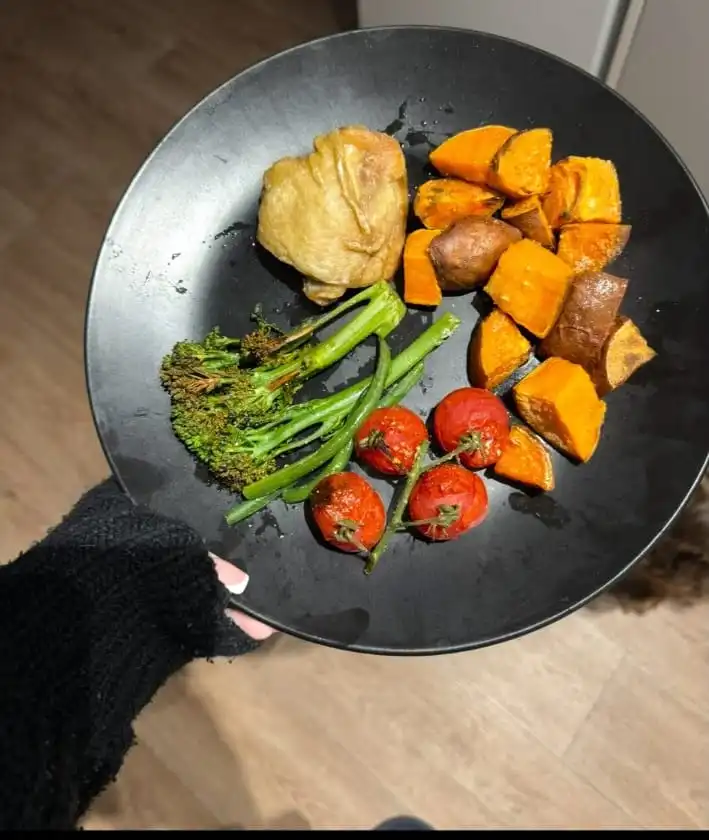
Key Takeaways
| Topic | Key Takeaway |
|---|---|
| Before lifting | Eat 1 to 4 hours before lifting: carbohydrates (banana, oats, rice) plus 15 to 30 g lean protein. |
| After training | Eat 20 to 40 g protein after training, ideally within 2 hours, to support muscle protein synthesis. |
| Daily total | Nutrition timing is secondary to total daily intake: about 1.6 g/kg/day protein covers most gains. |
| Hydration | Drink 5 to 7 mL/kg of water at least 4 hours before, and replace 125 to 150% of fluid lost after. |
| Digestion | Fat and fiber slow digestion, so keep them low in the hour before a session. |
Carbohydrate Sources for Strength Training
| Food (typical serving) | Carbohydrate | Fiber | Best timing |
|---|---|---|---|
| Banana (1 medium) | 27 g | 3 g | 30 to 60 min before |
| Medjool dates (2) | 36 g | 3 g | 30 to 60 min before |
| Honey (1 tbsp) | 17 g | 0 g | 15 to 45 min before |
| Rice cakes, plain (2) | 15 g | under 1 g | 30 to 60 min before |
| Instant oats, dry (40 g) | 27 g | 4 g | 1 to 3 hours before |
| Cooked jasmine rice (1 cup) | 45 g | under 1 g | 1 to 3 hours before, or after |
| Sweet potato, baked (130 g) | 26 g | 4 g | 2 to 4 hours before, or after |
What Should You Eat Before Strength Training?
Eat a meal of carbohydrates plus lean protein 2 to 4 hours before lifting, or a light snack 30 to 60 minutes before. Good pre-workout meals include oatmeal with Greek yogurt, rice with grilled chicken, or a banana with peanut butter.
A full meal should contain about 1 g/kg of carbohydrates, 0.25 g/kg of protein, and little fat. For a 70 kg lifter, that is roughly 70 g carbohydrates and 17 to 18 g protein.
Carbohydrates are stored as muscle glycogen, the main fuel for sets of 6 to 20 repetitions. Protein before training raises circulating amino acids, so muscle protein synthesis starts sooner after the session. Fat and fiber delay gastric emptying, which can cause cramping or sluggishness during heavy squats and deadlifts.
What works for most people:
- Chicken, jasmine rice and cooked vegetables (low-fiber vegetables if you are sensitive)
- Instant oats or oatmeal made with milk, topped with banana and whey protein
- Baked sweet potato with eggs or tuna
- Greek yogurt with honey and berries
- Brown rice or cooked quinoa with tofu or grilled turkey
Personally, I usually have some potatoes and a bit of oats before my morning training. On one occasion, after consuming a high-protein meal, my stomach felt heavy while doing squats, and I had to stop the set midway.
Pre-Workout Snacks 30 to 60 Minutes Before Training
If you have less than an hour before lifting, eat a small, low-fat, low-fiber snack with 15 to 30 g of fast carbohydrates, like a banana, rice cakes with honey, dates, or an apple. These digest quickly and rarely upset the stomach.
- Banana (about 27 g carbohydrate) or two Medjool dates (about 36 g)
- Two rice cakes with honey
- Dried fruits with a small handful of almonds (keep nuts small, fat slows digestion)
- A small fruit smoothie or yogurt smoothie with whey protein
- Homemade energy bars made from oats, dates, and a little peanut butter
If you tolerate food poorly before training, a liquid option such as a fruit smoothie works better than solid food.
Is It Better to Gym on an Empty Stomach?
No, it is best to eat something before doing strength training. Eating a small meal/snack containing carbohydrates and some protein will allow your muscles to use glycogen which will mean you can lift more and do more reps. It will only be beneficial if doing short/light training sessions or if you are feeling uncomfortable with having a full meal.
What Should You Eat After Strength Training?
After lifting, eat 20 to 40 g of quality lean protein plus carbohydrates within about 2 hours. Chicken and rice, eggs and toast, Greek yogurt with fruit, or a whey protein shake with a banana are effective recovery foods.
Resistance training breaks down muscle protein and depletes some glycogen. Protein supplies the amino acids (especially leucine, roughly 2 to 3 g per meal) that trigger muscle protein synthesis. Carbohydrates refill glycogen and blunt the rise in muscle protein breakdown. Together, post-workout meals support repair, strength, and gains across weeks.
Are 2 Eggs Enough Protein After a Workout?
No. Two eggs will usually not contain enough protein. Two large eggs contain around 12.6g of protein. Most people will need between 20-40g of protein after lifting. So it is better to have between 3-4 eggs (around 19-25g) or combine two eggs with another protein source.
How Much Protein Do You Need After Lifting?
Aim for 0.25 to 0.4 g of protein per kg of body weight after a session, which equals 20 to 40 g for most adults. Older lifters tend to need the higher end, about 0.4 g/kg, to maximize muscle protein synthesis.
Protein and Carbohydrate Targets by Body Weight
| Body weight | Pre-workout carbohydrate (1 g/kg) | Pre-workout protein (0.25 g/kg) | Post-workout protein (0.25 to 0.4 g/kg) | Post-workout carbohydrate (0.5 to 1.0 g/kg) | Fluid 4 h before (5 to 7 mL/kg) |
|---|---|---|---|---|---|
| 60 kg | 60 g | 15 g | 15 to 24 g | 30 to 60 g | 300 to 420 mL |
| 70 kg | 70 g | 17.5 g | 17.5 to 28 g | 35 to 70 g | 350 to 490 mL |
| 80 kg | 80 g | 20 g | 20 to 32 g | 40 to 80 g | 400 to 560 mL |
| 90 kg | 90 g | 22.5 g | 22.5 to 36 g | 45 to 90 g | 450 to 630 mL |
These targets are general guidelines. If your body weight, goal, or training schedule is different, nutrition support can help you personalize them.
Best Post-Workout Meals and Recovery Foods
The best post-workout meals combine a lean protein source with a fast-to-moderate carbohydrate. Strong options are grilled chicken with rice, eggs with sweet potato, Greek yogurt with fruit, tuna with rice cakes, tofu stir-fry, or a protein shake with a banana.
- Chicken and rice bowl: cooked chicken breast, jasmine rice, steamed vegetables.
- Egg and sweet potato plate: two to three eggs, baked sweet potato, avocado.
- Tofu and edamame bowl: firm tofu, edamame, brown rice, sesame.
- Cottage cheese and fruit: one cup cottage cheese, apple or orange slices, chia seeds.
- Recovery shake: whey protein, banana, milk or coconut water, one tablespoon peanut butter.
Do Recovery Drinks Work?
Recovery drinks work when they supply protein and carbohydrates plus fluid. A whey protein shake with milk or a smoothie is effective, convenient, and well researched. Chocolate milk is a practical option. Extra electrolytes matter mainly after heavy sweating.
Water remains the base of hydration. Coconut water provides potassium and some natural sugars, but it is low in sodium, so add salt to food after long, sweaty sessions.
Protein Sources Compared: Protein per 100 Calories
| Rank | Protein source (typical serving) | Calories | Protein | Protein per 100 kcal |
|---|---|---|---|---|
| 1 | Canned tuna in water (100 g) | 110 | 24 g | 21.8 g |
| 2 | Whey protein (1 scoop, 30 g) | 120 | 24 g | 20.0 g |
| 3 | Grilled chicken breast (100 g cooked) | 165 | 31 g | 18.8 g |
| 4 | Nonfat Greek yogurt (170 g) | 100 | 17 g | 17.0 g |
| 5 | Low-fat cottage cheese (1 cup) | 180 | 24 g | 13.3 g |
| 6 | Firm tofu (100 g) | 144 | 17 g | 11.8 g |
| 7 | Edamame, shelled (1 cup) | 188 | 18 g | 9.6 g |
| 8 | Whole eggs (2 large) | 143 | 12.6 g | 8.8 g |
Hydration, Electrolytes and Water Intake Around Lifting
Drink 5 to 7 mL of water per kg body weight at least 4 hours before training, sip during the session, and replace 125 to 150% of any weight lost afterward. Add sodium after heavy sweating.
Example for an 80 kg person: Drink 400 to 560 mL of water (80 kg × 5 to 7 mL) at least 4 hours before training. If you weigh 1 kg less after the session, drink about 1.25 to 1.5 L of fluid over the next few hours.
A quick check: weigh yourself before and after. Each kilogram lost needs about 1.25 to 1.5 L of fluid. Pale yellow urine is a practical sign of adequate water intake. Overdrinking plain water without sodium in long sessions can dilute blood sodium, so balance fluids with food and electrolytes.
How much water do you need daily during strength training?
Most people need 2.5 to 3.5 liters of fluids daily, with the higher end on training days, in hot weather, or during heavy sweating. A pale yellow color of urine is a simple indicator of fluid adequacy.
Example: If normally 2.5 liters of fluids are drunk per day, and after workouts, the weight is 0.5 kg or 0.5 liters less than at the beginning of the day, this is the amount of sweat lost during exercise, which needs to be replaced. To do this, it is necessary to drink 125-150% of water: that is, 0.6-0.75 liters more than the daily dose. This way, the amount for the day will be 3.1-3.25 liters, distributed throughout the day.
What Not to Eat After a Workout?
Try to avoid eating very fatty foods, fried foods, sweet snacks (no protein) and alcohol. Whilst fat won’t hinder your recovery, eating a high fat fried meal will cause your digestive system to slow down meaning you won’t get the protein and carbohydrates you need to your muscles as quickly. This can make you feel tired and bloated.
Common Mistakes When You Eat Before and After Strength Training
- Eating a high-fat, high-fiber meal right before lifting. This slows digestion and causes nausea. Move fat and fiber to meals 3 or more hours away.
- Skipping carbohydrates after training. Protein alone works for muscle repair, but carbohydrates restore glycogen when you train twice in a day.
- Rushing to drink a shake in 10 minutes. The extreme-urgency idea comes from older studies. Within 2 hours is fine.
- Using too little protein overall. A single post-workout shake cannot fix a daily intake under 1.2 g/kg.
- Ignoring calories. If you want to gain muscle, a small surplus of 200 to 300 kcal a day supports it. For fat loss, keep protein high and cut elsewhere.
- Forgetting fluids. Even 2% body-weight dehydration can reduce strength output.
Conclusion
You do not need a complicated plan to eat before and after strength training. Have a carbohydrate-and-protein meal 2 to 3 hours before lifting, add a small quick-energy snack if the gap is longer, and eat 20 to 40 g of protein with carbohydrates within 2 hours after. Track total daily protein at about 1.6 g/kg for four weeks and adjust based on energy, recovery, and progress.
Frequently Asked Questions
- What should I eat before and after strength training?
Eat carbohydrates plus lean protein 1 to 4 hours before lifting, such as oatmeal and yogurt. After training, eat 20 to 40 g protein with carbohydrates, such as chicken and rice or a whey shake with a banana.
- How long before lifting should I eat?
Eat a full meal 2 to 4 hours before and a light snack 30 to 60 minutes before.
- Is it necessary to eat right after a workout?
No. Muscle stays responsive to protein for many hours. Eating within 2 hours is a practical rule, and total daily protein matters more than the exact minute.
- How much protein should I eat after lifting?
About 0.25 to 0.4 g per kg of body weight, which is 20 to 40 g for most adults.
- Can I lift without eating anything?
Yes, most healthy adults can. If you feel weak or train longer than an hour, eat 15 to 30 g of carbohydrates beforehand, and eat a protein meal afterward.
- Are protein shakes better than whole food?
Not necessarily. Protein shakes are convenient and digest quickly, but chicken, eggs, yogurt, and tofu work equally well when total protein is matched.
- What are good quick energy foods before lifting?
Bananas, dates, honey, rice cakes, apples, and dried fruits. Each gives 15 to 35 g of digestible carbohydrates with little fat or fiber.
Medical Disclaimer: This article is for educational and informational purposes only. It is not medical advice, diagnosis, or treatment. The nutrition and timing guidance here is based on general research for healthy adults and may not suit your individual needs. It does not replace advice from a physician, registered dietitian, or other qualified healthcare professional.
References
- Kerksick CM et al. ISSN position stand: nutrient timing. J Int Soc Sports Nutr. 2017.
- Jager R et al. ISSN position stand: protein and exercise. J Int Soc Sports Nutr. 2017.
- USDA FoodData Central
Author: Nikhil Kumar
Nutrition & Fitness Writer | Health Enthusiast
Nikhil Kumar is a Nutrition & Fitness Writer passionate about making evidence-based wellness simple and actionable. After completing a nutrition certification via Coursera, he continuously follows the latest research on food, movement, and longevity. His mission is to provide trustworthy, practical guidance that helps readers achieve their health goals confidently.