Ingredients for a Peanut Butter Banana Smoothie
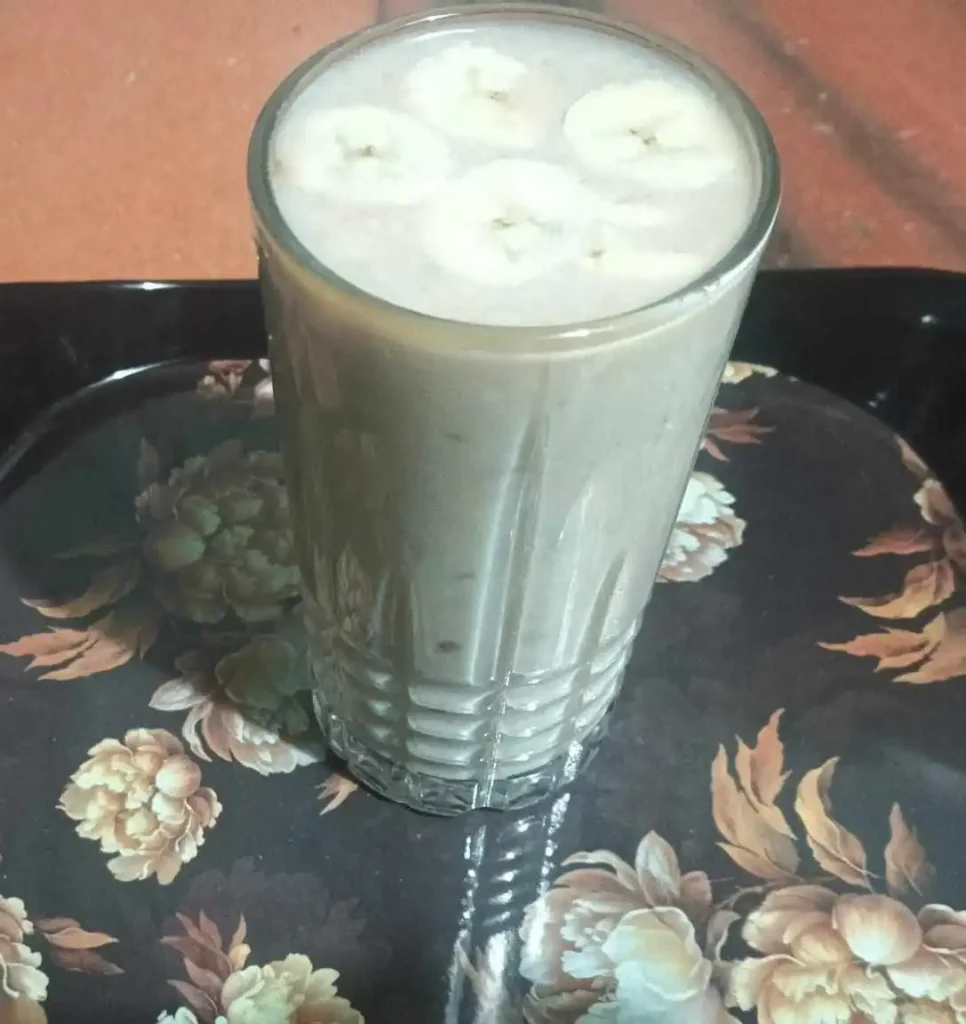
Creamy peanut butter banana smoothie topped with fresh banana slices in a glass
- Ripe Banana: Use 1 large ripe banana, preferably frozen overnight. The riper the banana, the creamier, sweeter, and easier it is to digest. Frozen bananas are also what give this smoothie its signature thick, creamy texture.
- Peanut Butter: Add 2 tablespoons of natural peanut butter (or another nut butter, like almond or cashew butter, if you prefer). It contributes healthy unsaturated fats, plant-based protein, and a rich, nutty flavor that helps keep you full for longer.
- Milk of Your Choice: Use 1 cup of milk based on your preference. Whole milk creates a richer, creamier smoothie and adds extra protein. If you prefer milk alternatives, almond milk is lighter and lower in calories, while oat milk offers a naturally sweet taste.
- Greek Yogurt: Mix in ½ cup of plain Greek yogurt. It boosts protein, adds beneficial probiotics, and creates a thick, creamy texture.
- Honey (Optional): If your banana isn’t fully ripe, add 1–2 teaspoons of honey, or another natural sweetener like chopped dates, for extra sweetness.
- Ice Cubes (Optional): If you’re using a fresh banana instead of a frozen one, add 3–4 ice cubes. Ice makes the peanut butter banana smoothie colder and thicker without changing its flavor.
Pro Tip: Peel and slice your banana the night before, then freeze the pieces in a zip-lock bag. A frozen banana naturally thickens the smoothie, eliminates the need for extra ice, and creates a creamy, milkshake-like consistency.
How to Make This Smoothie
You don’t need any special kitchen appliances for this — just a blender and about five minutes.
Step 1: Add the Milk First Pour the milk into your blender before adding the other ingredients. This helps the blades move freely and prevents peanut butter and yogurt from sticking to the bottom.
Step 2: Add the Banana Place the frozen banana chunks into the blender. If you’re using a fresh banana, add a few ice cubes to achieve a thick and refreshing texture.
Step 3: Add Peanut Butter and Greek Yogurt Spoon in the peanut butter and Greek yogurt. Together, they create a rich, creamy texture while increasing the smoothie’s protein and healthy fat content.
Step 4: Blend Until Smooth Blend on low speed for a few seconds, then switch to high speed for 45–60 seconds. Continue blending until the peanut butter banana smoothie has that thick, creamy texture you’re after. If it’s too thick, add a little more milk and blend again.
Step 5: Serve Immediately Pour the smoothie into a glass and enjoy it fresh. For pre-workout nutrition, many sports dietitians recommend consuming a banana-based smoothie 30–60 minutes before exercise to provide readily available carbohydrates for energy.
Nutrition Facts
| Nutrient | Approximate Amount (Per Serving) |
|---|---|
| Calories | ~380–420 kcal |
| Protein | 15–22 g |
| Carbohydrates | 45 g |
| Healthy Fats | 16 g |
| Fiber | 5 g |
My Honest Review of This Smoothie
I tried this peanut butter banana smoothie, and it quickly became one of my favorite homemade smoothies. The texture was thick, creamy, and perfectly smooth, while the banana added natural sweetness without making it overly sugary. The peanut butter gave it a rich, nutty flavor that paired really well with the banana.
I had it about 45 minutes before my workout, and it kept me feeling energized throughout my training session without feeling too heavy.
Why This Smoothie Actually Works
A peanut butter banana smoothie provides the essential nutrients your body needs before exercise. It combines fast-digesting carbohydrates with healthy fats and protein to help fuel your workout, support exercise recovery, and keep your energy steady.
(1). Bananas Provide Quick Energy
Your muscles rely on glycogen, the stored form of carbohydrate, as their primary fuel during exercise. Eating enough carbohydrates before a workout helps replenish glycogen stores and supports exercise performance.
Bananas are naturally rich in carbohydrates and potassium, making them an excellent pre-workout food. They provide quick energy that’s easy to digest, especially when blended into a smoothie.
(2). Peanut Butter Provides Lasting Energy
Peanut butter adds healthy unsaturated fats and plant-based protein to the smoothie. Fat slows digestion, which helps provide a more gradual release of energy, while protein supports muscle maintenance and workout recovery.
Peanut Butter Banana Smoothie vs. Banana Smoothie
| Feature | Peanut Butter Banana Smoothie | Banana Smoothie |
|---|---|---|
| Calories (Per Serving) | ~380–420 kcal | ~180–250 kcal |
| Protein | 15–22 g | 6–10 g |
| Carbohydrates | ~45 g | ~35 g |
| Healthy Fats | ~16 g | 2–5 g |
| Fiber | ~5 g | ~3 g |
| Satiety | Keeps you full longer | Light and less filling |
| Best For | Pre-workout, post-workout, meal replacement | Quick breakfast or light snack |
| Texture | Thick, rich, and creamy | Smooth and light |
| Flavor | Nutty, creamy, naturally sweet | Sweet and fruity |
| Main Ingredients | Banana, peanut butter, milk, yogurt | Banana, milk, yogurt (optional) |
| Protein Boost | Naturally higher due to peanut butter and Greek yogurt | Lower unless protein-rich ingredients are added |
| Customization | Easy to add protein powder, oats, chia seeds, or flaxseeds | Easy to add berries, spinach, or honey |
Things Nobody Else Tells You About This Smoothie
Banana Ripeness Changes Digestion: A spotted, ripe banana breaks down rapidly in the body, making it ideal right before a workout. An underripe (greenish) banana is high in resistant starch, which can cause bloating or sluggish digestion mid-lift.
Read Your Peanut Butter Label: Many commercial peanut butters mix in hydrogenated vegetable oils and added cane sugars.
Skip the Ice If Using Frozen Bananas: Adding ice to frozen bananas dilutes the flavor profile and turns your thick smoothie watery.
Simple Variations Worth Trying
Once you’ve made the base recipe a few times, you know what you like. Here are the swaps and add-ons I’ve personally tested:
Add a scoop of protein powder if your goal is muscle building and you want one of those high protein smoothies that pushes content closer to 40 g per serving. Unflavored whey or vanilla works best here. Chocolate protein turns it into a dessert — and that’s not a complaint.
Swap peanut butter for almond butter if you have a peanut allergy or just want a different nut butter flavor profile. The texture stays the same. The taste is slightly milder and nuttier.
Add a handful of oats if you’re doing a long endurance session and need even more sustained fuel. Oats add complex carbs and fiber that keep energy levels stable over longer workouts. Just let them soak in the milk for a minute before blending.
Diet-Friendly Variations: Vegan, Dairy-Free, Gluten-Free & Smoothie Bowl Options
This recipe is easy to adapt if you’re following a specific diet or just want to switch up the format.
Vegan / Dairy-Free: Swap the dairy milk for a plant-based milk alternative like almond milk or oat milk, and replace the Greek yogurt with a dairy-free yogurt or an extra half banana for creaminess. This gives you a fully vegan smoothie that still keeps the thick, creamy texture.
Gluten-Free: The base recipe is naturally gluten-free, since none of the core ingredients — banana, peanut butter, milk, and yogurt — contain gluten. Just check the label on your protein powder or any add-ins, since some brands are processed in facilities that also handle gluten.
Smoothie Bowl Twist: Prefer to eat it with a spoon? Cut the milk down to about half the usual amount so the mixture stays thick, pour it into a bowl, and top with banana slices, granola, or a drizzle of peanut butter. Same nutritional value, in a more filling breakfast-bowl format.
Conclusion
A peanut butter banana smoothie is a simple, nutritious drink that combines carbohydrates, protein, and healthy fats in one glass, giving you a reliable energy boost and solid nutritional value. Whether you enjoy it for breakfast, as a snack, as a meal replacement, or before or after a workout, it provides a convenient source of energy and supports exercise recovery.
With just a few wholesome ingredients like ripe bananas, natural peanut butter, and your favorite milk, you can make a creamy, delicious smoothie in minutes. It’s an easy recipe that fits into a healthy lifestyle while delivering both great taste and balanced nutrition.
FAQ'S
- Can I drink a peanut butter banana smoothie every day?
Yes, you can enjoy a peanut butter banana smoothie daily as part of a balanced diet.
- Is a peanut butter banana smoothie good before a workout?Yes. The carbohydrates from bananas provide quick energy, while peanut butter adds healthy fats and protein, making it a great pre-workout smoothie when consumed about 30–60 minutes before exercise.
- Can I make this banana smoothie without Greek yogurt?You can skip Greek yogurt or replace it with regular yogurt, cottage cheese, or a plant-based yogurt.
- How Can I Make This Banana Smoothie Higher in Protein?To increase the protein content, add Greek yogurt, protein powder, cottage cheese, or extra milk.
- Can I Freeze Bananas for Smoothies?Yes. Peel and slice ripe bananas before freezing them.
About the Author
Nikhil is passionate about health, nutrition, and fitness. He has completed a nutrition certification through Coursera and relies on trusted, evidence-based nutrition and wellness sources to create accurate, practical health content.
Peanut Butter Banana Smoothie: Best Pre-Workout Fuel
Learn how to make a creamy peanut butter banana smoothie with simple ingredients. Get nutrition facts, benefits, recipe tips, and easy variations.
Type: Smoothie
Cuisine: American
Keywords: peanut butter banana smoothie, protein smoothie, pre-workout smoothie, post-workout smoothie, banana smoothie, peanut butter smoothie
Recipe Yield: 1 Serving
Calories: 455 Kcal
Preparation Time: PT5M
Cooking Time: PT0M
Total Time: PT5M
Recipe Ingredients:
Recipe Instructions:
How to Make a Peanut Butter Banana Smoothie:
- Pour 1 cup of milk into the blender first. This helps the blades move freely and prevents thicker ingredients from sticking to the bottom.
- Add 1 large frozen banana (or a fresh banana with a few ice cubes). A frozen banana creates a naturally thick and creamy texture.
- Add 2 tablespoons of natural peanut butter, ½ cup of Greek yogurt, and honey (optional) if you prefer a sweeter smoothie.
- Blend on low speed for a few seconds, then increase to high speed. Blend for 45–60 seconds until the mixture is completely smooth and creamy. If needed, add a splash of milk to adjust the consistency.
- Pour the smoothie into a glass and enjoy immediately. For a pre-workout snack, drink it 30–60 minutes before exercise.
4.79