However, people with diabetes, kidney disease, banana or latex allergies, or migraine sensitivity should eat bananas in moderation or consult a healthcare professional if unsure. For most healthy adults, eating a banana before bed is a safe and nutritious choice.
- Rich in magnesium, potassium, tryptophan, and vitamin B6 to support better sleep.
- Have a banana 30–60 minutes before bed for a healthy bedtime snack.
- Bananas do not cause weight gain when eaten within your daily calorie needs.
- People with diabetes, kidney disease, or banana allergies should eat with caution.
- One medium banana provides about 105 calories, 3g fiber, and essential nutrients.
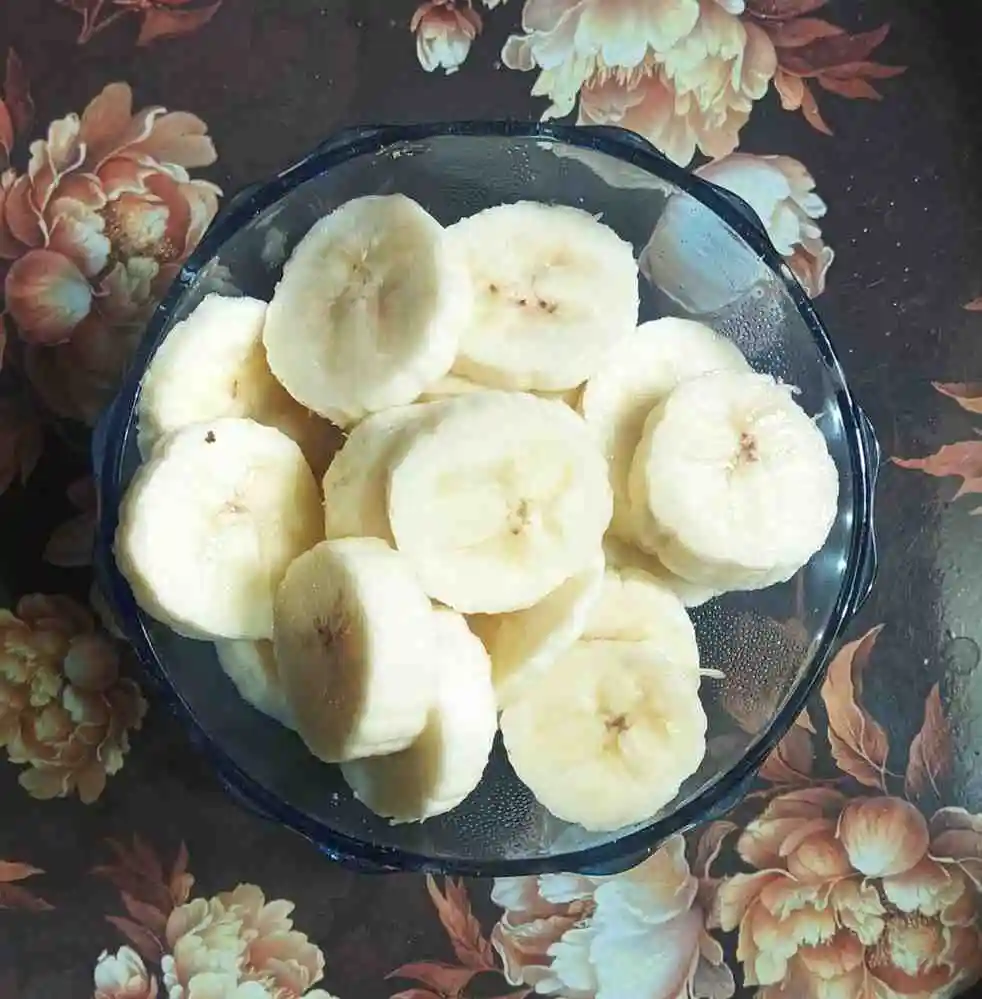
Benefits of Eating Banana at Night
(1). May Help You Sleep Better Naturally
- Bananas are naturally rich in magnesium, potassium, vitamin B6, and tryptophan—nutrients that play an important role in healthy sleep. Tryptophan is an essential amino acid that your body converts into serotonin, and then into melatonin, the hormone that controls your sleep-wake cycle.
- The natural carbohydrates in bananas also help tryptophan reach the brain more easily, allowing your body to produce melatonin more efficiently. At the same time, magnesium helps relax the nervous system and supports your body’s natural sleep rhythm.
- While a banana is not a cure for insomnia, eating one as part of a healthy sleep hygiene routine may support melatonin production and help you relax, fall asleep more easily, and enjoy a more restful night’s sleep.
(2). Helps Relax Muscles and Calm the Nervous System
- One of the biggest benefits of eating a banana at night is its high potassium and magnesium content. A medium banana provides around 422 mg of potassium and 32 mg of magnesium, two minerals that are essential for healthy muscles and nerves.
- Potassium helps muscles contract and relax properly, while magnesium supports normal nerve function and helps reduce muscle tension. Together, they may lower the risk of nighttime muscle cramps and help your body feel more relaxed before sleep.
- If you’ve had a long day, exercised in the evening, or experience occasional leg cramps or restless leg syndrome at night, a banana can be a simple and nutritious bedtime snack that supports muscle recovery and relaxation.
(3). Supports Healthy Digestion and Keeps You Full
- Bananas are an excellent source of dietary fiber, including pectin and resistant starch, which help support a healthy digestive system. These fibers feed beneficial gut bacteria that produce short-chain fatty acids, such as butyrate, which are important for gut health.
- Fiber also slows stomach emptying, helping you stay full for longer. This can reduce late-night cravings and prevent you from waking up hungry in the middle of the night. Unlike heavy, greasy snacks, ripe bananas are easy to digest and are gentle on the stomach for most people.
- Adding a banana to your bedtime routine can support healthy digestion while helping you sleep comfortably without feeling overly full or hungry.
(4). A Healthy Low-Calorie Alternative to Sugary Desserts
- A medium banana contains only about 105 calories, yet it provides natural sweetness along with fiber, potassium, vitamin B6, vitamin C, and magnesium.
- Unlike cakes, cookies, ice cream, or candy, bananas contain no added sugar and very little fat. Their natural fiber slows sugar absorption, helping you feel satisfied for longer while reducing the temptation to snack on unhealthy desserts.
- Replacing processed sweets with a banana can support a balanced diet, improve nutrient intake, and help manage your daily calorie intake without sacrificing taste.
(5). May Help Soothe Mild Heartburn
- Bananas are naturally low in acid and have a soft texture, making them gentle on the stomach. Some people find that eating a ripe banana before bed helps reduce mild heartburn by temporarily coating the stomach lining and neutralizing excess stomach acid.
- Compared with spicy, fried, or high-fat late-night snacks, bananas are much less likely to irritate the digestive system. Their fiber content also supports healthy digestion and may help reduce stomach discomfort.
- However, everyone’s digestive system is different. While many people find bananas soothing, some individuals with acid reflux (GERD) may notice that bananas do not improve their symptoms. If bananas consistently trigger discomfort, it is best to avoid them and seek advice from your healthcare provider.
Side effects of eating banana at night
(1). People with Diabetes or Prediabetes
- A medium banana contains about 14 grams of natural sugar and has a moderate glycemic load. Although the sugar is natural, it can still raise blood sugar levels, especially if eaten alone before bed.
- People with diabetes, prediabetes, or insulin resistance should eat bananas in moderation. Pairing a banana with protein or healthy fats, such as Greek yogurt, peanut butter, or a handful of nuts, can help slow sugar absorption and reduce blood sugar spikes.
(2). People with Kidney Disease
- Bananas are rich in potassium, providing approximately 400–450 mg per medium fruit. While potassium is important for heart and muscle function, people with moderate to severe kidney disease may not be able to remove excess potassium from the body efficiently.
- High potassium levels can become dangerous and may affect heart rhythm. If you have kidney disease, follow your healthcare provider’s advice about whether bananas are safe for you.
(3). People with a Banana or Latex Allergy
- Banana allergy is rare, but it can cause symptoms such as itching in the mouth, skin rash, swelling, stomach discomfort, or difficulty breathing. Some people with a latex allergy may also react to bananas because of a condition called latex-fruit syndrome.
- Anyone with a known banana or latex allergy should avoid eating bananas and seek medical advice if an allergic reaction occurs.
(4). People Who Experience Migraine Triggers
- Some people report that bananas may trigger migraine headaches, although scientific evidence is limited. Bananas naturally contain compounds such as tyramine and other biogenic amines, which may trigger migraines in sensitive individuals.
- If you notice that your headaches become worse after eating bananas, especially at night, it is best to limit or avoid them and discuss your symptoms with a healthcare professional.
(5). People with Asthma, Sinus Problems, or a Cold
- According to Ayurvedic medicine, bananas may increase mucus production, so they are sometimes discouraged for people with asthma, sinusitis, or a common cold. However, modern scientific research has not confirmed that bananas increase mucus production in healthy individuals. If you personally feel that bananas worsen your symptoms, avoiding them until you recover may be reasonable.
What Does the Science Actually Say?
Although bananas contain melatonin, magnesium, and tryptophan, the amounts are relatively small. Most studies showing strong sleep benefits used concentrated supplements or higher doses of these nutrients—not a single banana.
This means eating a banana before bed may support healthy sleep as part of a balanced diet, but its effects are likely to be mild rather than a guaranteed solution for better sleep.
Does Eating a Banana at Night Make You Fat?
Many people believe that eating a banana at night causes weight gain, but this is a common myth. The truth is that no single food, including bananas, can make you fat on its own.
Weight gain happens when you consistently consume more calories than your body burns, creating a calorie surplus. The time you eat a banana is much less important than your total daily calorie intake and overall diet.
However, if you regularly eat bananas in addition to your normal calorie intake instead of replacing unhealthy snacks, your total calorie intake may increase over time, which could contribute to weight gain.
Nutritional value in 1 banana
| Nutrient (1 Medium Banana – 100–120g) | Amount |
|---|---|
| Calories | 105 kcal |
| Carbohydrates | 26 g |
| Dietary Fiber | 3 g |
| Total Sugars | 14 g |
| Protein | 1.3 g |
| Total Fat | 0.3 g |
| Potassium | 422 mg (≈30% DV) |
| Magnesium | 32 mg (≈8% DV) |
| Vitamin B6 | 0.4 mg (≈25% DV) |
| Vitamin C | 10 mg (≈11% DV) |
| Manganese | 0.3 mg (≈13% DV) |
| Folate (Vitamin B9) | 24 mcg (≈6% DV) |
| Copper | 0.1 mg (≈10% DV) |
| Riboflavin (Vitamin B2) | 0.1 mg (≈8% DV) |
| Niacin (Vitamin B3) | 0.8 mg (≈5% DV) |
| Thiamin (Vitamin B1) | 0.04 mg (≈3% DV) |
| Iron | 0.3 mg (≈2% DV) |
| Calcium | 6 mg (≈1% DV) |
| Phosphorus | 26 mg (≈2% DV) |
| Sodium | 1 mg |
| Water | ≈89 g |
| Tryptophan | ≈10–12 mg (naturally present) |
| Cholesterol | 0 mg |
Can I Eat Banana at Night for Weight Loss?
Yes, you can eat a banana at night for weight loss, as long as it fits into your daily calorie intake. There is no scientific evidence that eating a banana before bed automatically leads to weight gain or slows fat loss. What matters most is your overall calorie balance and diet quality throughout the day.
A medium banana provides about 105 calories, along with fiber, potassium, vitamin B6, and natural carbohydrates. The fiber helps you feel full, which may reduce late-night hunger and prevent overeating. If you’re craving something sweet before bed, a banana is generally a healthier option than cookies, ice cream, or other sugary snacks.
Myths and Cautions When Eating Bananas at Night
Even though bananas have health benefits, they are sometimes mistakenly accused of problems when consumed at night. Most of these myths are not true or only relate to a few instances.
- Myth: “Bananas cause mucus.” There is an old wives’ tale based on the Ayurvedic tradition that this fruit consumed at night will cause an increase in mucus or throat congestion. But nutrition experts today argue that there is no scientific basis for the claim that bananas increase mucus production or make one sicker when they have a cold.
- Myth: “They’re too heavy to digest.” It’s true that a banana is pretty starchy and takes a while to digest due to its fiber content. This is why some people’s advice is to not eat heavy meals late at night. Bananas aren’t as heavy as a cheese burger, though – a ripe banana isn’t too hard on the stomach. However, as with anything, eating a whole banana right before going to bed might give a sensitive person a little bit of indigestion. A good rule of thumb is to eat it at least 30-60 minutes before bed, giving your body a chance to start breaking it down.
Conclusion:
Eating banana at night is not harmful and can actually be very helpful. This fruit is packed with sleep-promoting nutrients like magnesium, potassium, tryptophan, and vitamin B6, and serves as a gentle source of fuel and satisfaction before bed.
There is no credible research suggesting it is bad to eat before sleep — in fact, a study found that having this fruit or a glass of milk at bedtime improved sleep quality in insomniacs. The old myths about mucus and indigestion are simply not based in reality.
For most people, it is a great nighttime snack, provided you are mindful of any personal health concerns.
Frequently Asked Questions
- Is Eating Banana at Night Good Before Bed?Yes, eating banana at night before bed may be beneficial.
- How late can you eat bananas?You can eat bananas at any time, even 30-60 minutes before sleeping, if they do not cause you acidity or discomfort.
- What Are the Benefits of Eating Banana at Night?The benefits of eating banana at night include better sleep support, healthy digestion, reduced late-night cravings, muscle relaxation, and a healthier alternative to sugary snacks.
- Can I Eat Banana at Night for Weight Loss?Yes, you can eat banana at night for weight loss if it fits within your daily calorie needs.
- Who Should Avoid Eating Banana at Night?People with kidney disease, banana or latex allergies, migraine sensitivity, or diabetes should eat bananas with caution.
Disclaimer: This article is for informational purposes only and is not a substitute for professional medical advice. If you have a medical condition or specific dietary concerns, consult a qualified healthcare professional before making dietary changes.
About the Author
Nikhil is passionate about health, nutrition, and fitness. He has earned a nutrition certification through Coursera and researches trusted, evidence-based nutrition and wellness sources to create accurate, practical, and reliable health content. His goal is to make complex health information simple, easy to understand, and useful for everyday life.
Pingback: Banana Shake Benefits: 6 Powerful Reasons to Drink It Daily
Pingback: Almond protein content per 28 grams: The Fitness Fuel You’re Missing