Anxiety is common in today’s world because we often worry about our future — what we will do if we don’t have a proper job or enough money to fulfill our dreams. Many people, especially students, think too much about their future and become anxious.In this blog, we will discuss the best yoga and food to reduce anxiety and help you overcome it naturally
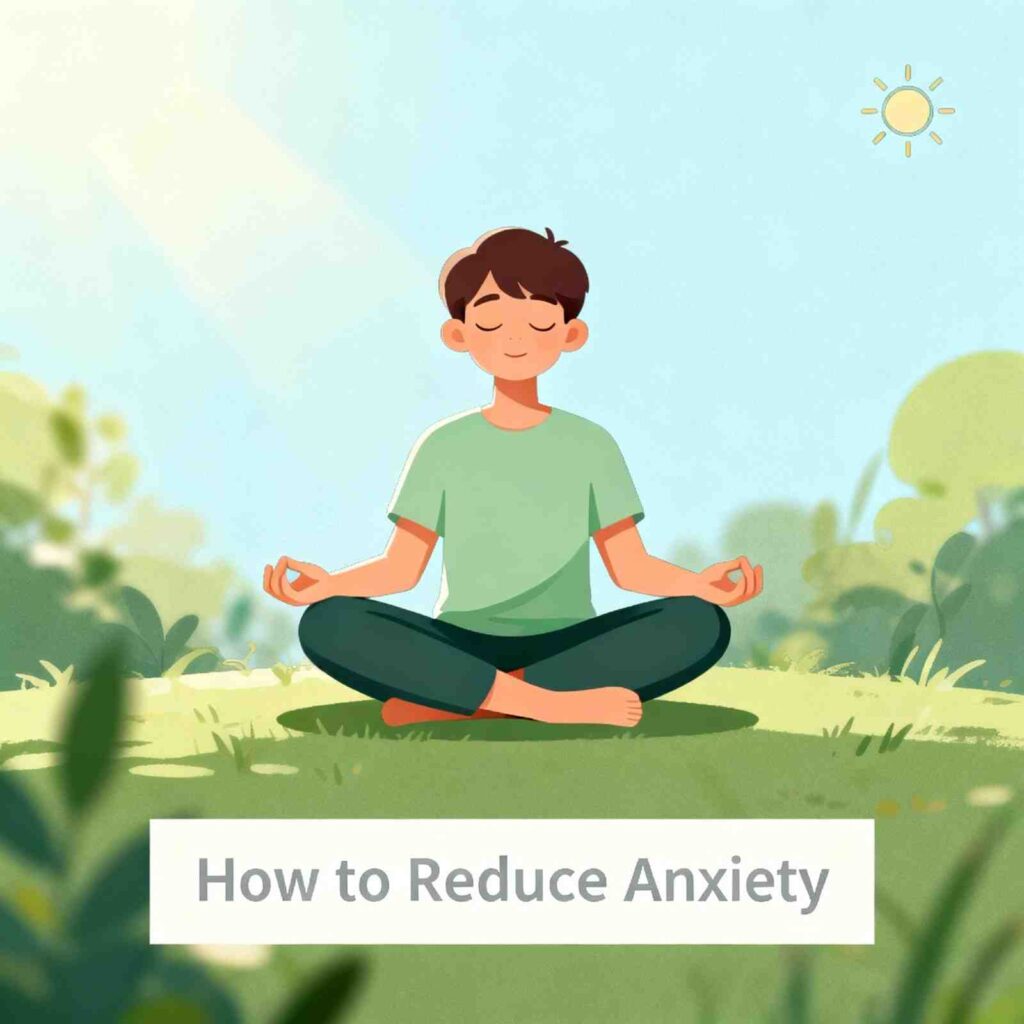
Can Anxiety is a Good or Bad ?
Anxiety has both positive and negative aspects.Let’s discuss how it can be helpful in some situations and harmful in others .
In Positive Way :
A small amount of anxiety helps us stay focused and awake. It helps in improving our capacity to prepare for interviews, the future, and other significant choices. This kind of anxiety encourages us to put forth more effort and pay attention to our surroundings.
In Negative Way :
An excessive amount of anxiousness can disrupt our mental calmness. Stress, overthinking, and even health issues like headaches or restless nights are caused by it. Constant anxiety begins to interfere with our happiness and daily activities.
Best Yoga and Food to Reduce Anxiety
There are some yoga practices and foods that can help overcome anxiety
Yoga Practices :
Yoga lowers stress hormones, relaxes the body, and calms the mind. Focus and inner calm can be achieved by easy techniques like meditation, tree posture (Vrikshasana), child’s pose (Balasana), and deep breathing (Pranayama). Frequent yoga improves mental and physical wellness in addition to reducing anxiety.
Meditatition :
Meditation calms the mind, which helps lower anxiety. It breaks the loops of worry and depression by teaching you to observe ideas without responding. The amygdala (fear center) becomes less active with time, and the prefrontal cortex (emotion regulation) becomes stronger.
In a physiological sense, meditation triggers the parasympathetic nervous system, which lowers blood pressure, slows the heartbeat, and decreases the stress hormone cortisol. This decreases the “fight or flight” reaction and creates a natural sense of calm.
Meditation has an impact on the brain’s as well. Dopamine (focus and motivation), endorphins (feel-good hormones), oxytocin (reduces social stress), serotonin (mood stabilizer), and GABA (calms the nervous system) are all increased. Additionally, it lowers cortisol, which immediately reduces anxiety.
Meditation encourages neuroplasticity, which rewires the brain to react more effectively to stress. By improving self-awareness, emotional control, and mind-body harmony, it improves the natural control of anxiety.
Vrikshasana :
Vrikshasana is derived from the Sanskrit terms “Asana” (Pose) and “Vriksha” (Tree). The position symbolizes a tree’s grace, power, and stability. As it connects the body to the earth and extends energy upward like branches reaching for the sky, it represents balance and rootedness.
Benefits of Vrikshasana :
Physical Benefits :
- Strengthens ankles, calves, thighs, and spine.
- Improves posture and balance.
- Enhances core stability and flexibility in hips.
Emotional and mental benefits :
- Encourages mental clarity, attention, and concentration.
- Relieves tension and anxiety and calms the mind.
- Teaches inner stability and patience, reflecting a tree’s strength.
Child’s Pose :
Child’s Pose, or Balasana, is a peaceful yoga pose that represents inner calm, humility, and relaxation. This pose enables your body and mind to revert to a state of comfort, trust, and dependency, much like a child who feels safe in a mother’s arms. It’s more than just a pose for relaxation; it’s a time to re-establish a connection with your inner calm, your breath, and your feelings.
Physical Benefits :
- Stretches the ankles, thighs, hips, and spine gently.
- Relieves lower back, shoulder, and neck strain.
- Increases blood flow to the brain, which promotes relaxation and mental clarity.
Mental Benefits :
- Promotes the parasympathetic nervous system, which lowers stress, exhaustion, and anxiety.
- Promotes emotional release; the forward fold represents losing control and anxieties.
- Helps you rediscover your inner child by bringing forth a sense of calm and groundedness.
Deep Breathing :
Deep breathing serves as an interface between the body and the mind and involves more than just inhaling and exhaling. Your neurological system receives a signal that it’s okay to relax when you take deep breaths. The body’s stress warning is silenced by this easy action, which also promotes balance and calm awareness.
Physical Benefits :
- Enhances lung capacity and increases the flow of oxygen to cells.
- Reduces heart rate, blood pressure, and muscle tension.
- Relaxes the diaphragm, which promotes improved digestion and energy levels.
Emotional and Mental Benefits :
- Reduces stress, anxiety, and anger by calming the amygdala (the brain’s fear center).
- Enhances emotional regulation, focus, and clarity.
Your entire system can be reset by deep breathing. You breathe in peace and eliminate tension with each breath. It is the natural remedy that is always available, potent, and free.
Foods that help to reduce anxiety
Our emotions are strongly correlated with the foods we eat. Some foods naturally promote neural activity that reduces anxiety and help to relax the mind. Magnesium, a mineral that calms the nervous system and balances mood, is abundant in leafy greens like spinach and kale. Bananas and avocados also include tryptophan and B vitamins, that help in the brain’s production of serotonin, a hormone that promotes happiness and calm.
Another excellent option is fatty fish, like mackerel and salmon, which are high in omega-3 fatty acids, which lower stress hormones and help control mood. Antioxidant-rich foods like dark chocolate, blueberries, and citrus fruits shield the brain against stress-related harm, while nuts and seeds stabilize blood sugar levels to provide a consistent flow of energy and relaxation. By calming the body and mind, even basic drinks like chamomile and green tea can provide peace.
Causes of Anxiety
- Overload of Choices : The mind can become overloaded by too many options in life, whether they be educational programs, professional pathways, or even everyday choices. As our brains try to choose the best alternative, this “choice overload” causes anxiety and stress.
- Pressure from Social Media : People who constantly compare themselves to others online may feel as though they aren’t doing enough. Observing the achievements, trips, or lifestyles of others can make you feel inadequate and anxious about your own life.
- Environmental Stressors : Stress levels can be gradually raised by crowded areas, noisy cities, pollution, and a lack of natural surroundings. These external influences might generate anxiety in us without us being aware of it because of the way our brains react to them.
- Incomplete feelings : Over time, hidden feelings like fear, sadness, or anger can build up. Internal tension brought on by unrecognized emotions frequently appears as anxiety.
- Irregular Lifestyle & Sleep :Our bodies’ natural rhythm can be disrupted by irregular sleep patterns, missing meals, or consuming excessive amounts of coffee.Higher anxiety levels are the result of this imbalance, which also alters hormones and the chemicals in the brain.
Conclusiom :
In conclusion, achieving mental and physical balance is key to lowering anxiety. Deep breathing, a balanced diet, regular meditation, and restful sleep all contribute to the nervous system’s relaxation and emotional stability. We naturally develop inner peace when we give our bodies the proper nourishment, intentionally control our stress, and take the time to breathe and think. These modest, conscientious practices eventually result in long-lasting emotional fortitude and mental clarity.