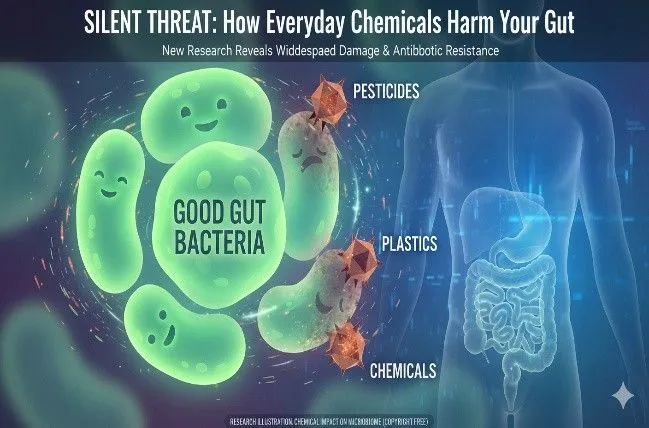
Daily Consuming Chemicals and Medications Affect Gut Bacteria

There are billions of bacteria in your gut, and they all make an important contribution to your health. However, out of the many species of bacteria that are present in your gut, some are good for your body while the rest of them are not.These bacteria are collectively known as gut bacteria or gut flora.
In this blog, we will discuss how daily consumption of chemicals and medications affects gut bacteria slowly.
Table of Contents
ToggleA Quick Overview That Can Help Protect Your Health
Scientists found 168 everyday chemicals in food, water, plastics, and pesticides that can slowly damage your gut bacteria and weaken digestion and immunity. If ignored, this hidden harm can lead to serious stomach problems over time—this blog shows how to protect your gut before small damage becomes a big health issue.
Research reviewed by scientific researchers
Reviewed by researchers from the University of Cambridge, studies show that everyday chemicals can harm gut bacteria and increase antibiotic resistance, while research from Northwestern University reveals that gut microbes directly influence brain development, learning, mental health, and human brain evolution.
What is the importance of gut bacteria ?
An imbalance in gut health is linked with some minor yet uncomfortable symptoms within the body. Stomach discomfort, bloating, acid reflux, and gas can all be side effects, as well as a headache, feeling tired, and joint pains. Helpful, good bacteria within the body, commonly described as beneficial gut flora, help to strengthen the wall of the gut, protecting the rest of the body from harmful germs with a layer of cells as well as a layer of chemical protection. Flora activate the immune system present in the cells, making sure that every layer of defense physically is in place.
Additionally, gut flora help keep the stomach environment at the right level so that harmful bacteria cannot survive easily.Some of the bacteria within your body turn inflammation on and off to help control the immune system. When your gut lining is not working properly, harmful germs can enter your bloodstream and trigger inflammation.
What the Study Found on Chemicals That Affect Gut Health
Scientists tested 1,076 different chemicals in the lab on 22 species of gut bacteria and came up with some alarming results. They found that 168 of the chemicals inhibited the growth of these beneficial gut bacteria or stopped their growth altogether. Many of these chemicals are considered to be part of everyday food, drinking water, and even the environment, thus making complete avoidance quite impossible.
Even more concerning, some bacteria evolved to become resistant to these antibiotics, such as ciprofloxacin, meaning that future infections could be harder to treat and pose a greater risk to public health.
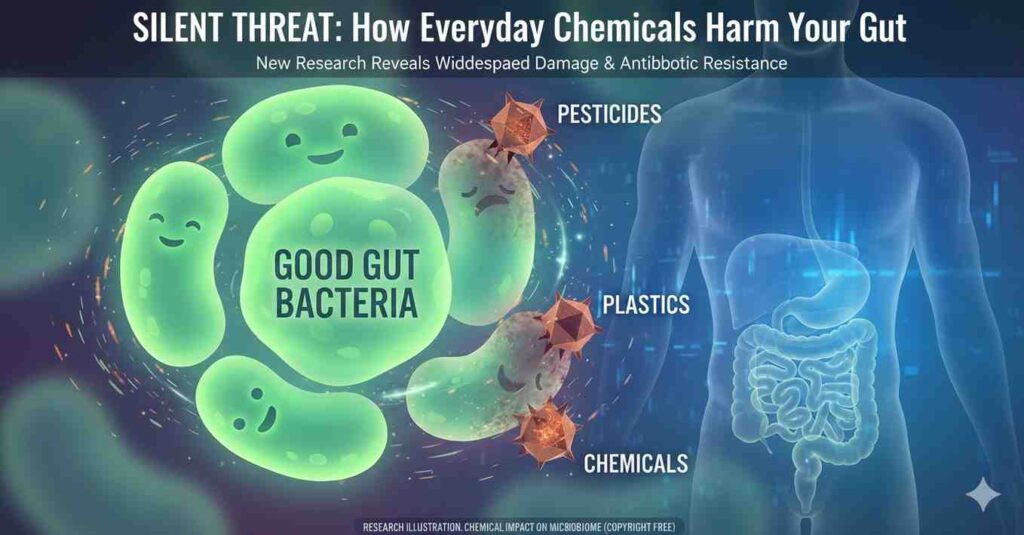
The study also found pesticides and plastics to be major threats to gut health. Chemicals in herbicides and insecticides used on crops, along with industrial compounds found in plastics and flame retardants, had a strongly harmful effect on gut microbes. These chemicals were designed to target insects or materials, not living bacteria, but they still disturbed the delicate balance of microbes inside the human gut—an earlier unnoticed risk of everyday chemical exposure.
What Is the Shocking Part of This Study ?
What is most surprising is that these chemicals were allowed to be used because safety tests only check if they harm human cells, not the good bacteria inside our gut. Since gut bacteria are usually not tested at all, these hidden problems are missed. This means people may be harming their gut health every day without knowing it, just by using or eating products they think are safe.
Chemicals That Affect Gut Health
The Cambridge study tested 1,076 chemicals and found 168 that can harm gut bacteria, but the full list is long. Some common types of chemicals that affect gut health include:
- Pesticides like glyphosate, chlorpyrifos, and atrazine.
- industrial chemicals such as Bisphenol A (BPA), phthalates, and flame retardants .
- Everyday substances like certain food preservatives, triclosan, and heavy metals including arsenic, lead, and cadmium.
How to Protect Your Gut from Harmful Chemicals ?
To reduce the impact of harmful chemicals on your gut, start with small, practical steps.
Wash fruits and vegetables to remove pesticide residues, and choose organic or minimally processed foods.
- Do not store or heat food in certain plastic containers.
- Drinking plenty of clean, filtered water also helps limit exposure.
- Eating probiotic-rich foods like yogurt, kefir, and natural vegetables can help restore healthy bacteria if some are affected.
Secret of human Intelligence.
It can have powerful effects on your brain and body. Research shows that a balanced gut microbiome helps support learning, memory, and mental health by influencing gene activity in the brain. Healthy gut bacteria produce energy and nutrients that the brain needs to grow and function optimally.
A healthy gut can support both your brain and your whole body. Eating fiber-rich foods, yogurt, and other probiotics, while staying away from harmful chemicals, helps your gut bacteria stay strong. This, in turn, gives your brain and body more energy and helps them work at their best.
Best foods for gut health and weight loss ?
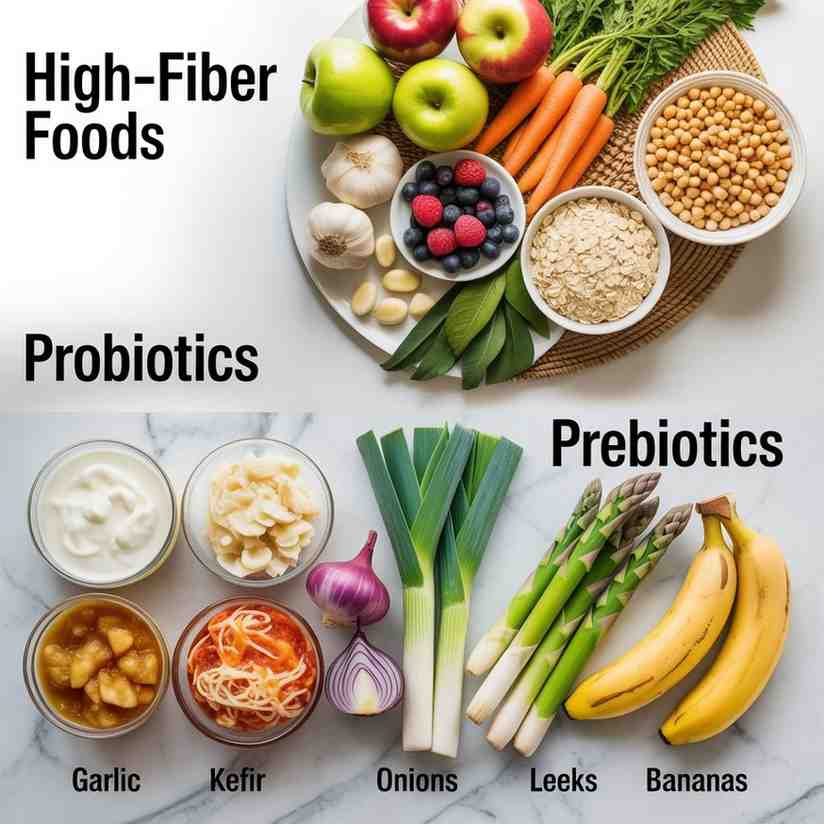
Eat More Fiber :
Fiber is essential for gut health because it feeds good bacteria, helping them grow and protect digestion.
It also improves bowel movement, reduces bloating, and strengthens immunity, keeping the gut balanced and healthy.
Probiotics :
Probiotics are live good bacteria that help restore gut balance, improve digestion, and boost immunity.
Prebiotics :
Prebiotics are the food for these good bacteria, helping them grow stronger and work more effectively in the gut.
Weight loss : A healthy gut helps your digestion, nutrient absorption, and metabolism—all things that make losing weight easier. If your gut bacteria get out of balance, it can cause cravings, store more fat, and slow your metabolism, so keeping your gut healthy is super important for managing weight.
Conclusion :
This research clearly shows that everyday chemicals found in food, water, plastics, and pesticides can quietly harm our gut bacteria. Since gut health plays a major role in digestion, immunity, and overall well-being, reducing chemical exposure and improving safety testing is essential to protect long-term human health, and simple steps like washing vegetables properly before eating can help lower exposure to some of these chemicals.

Health & Wellness Researcher
Nikhil Bhardwaj is a health researcher dedicated to breaking down the latest medical studies into actionable wellness insights. He specializes in the intersection of mental health and physical fitness.
Follow Me