New Research on Omega-3 Fish Oil Benefits in 2026

A new study by Michigan Medicine – University of Michigan researchers found that fish oil supplements’ ability to fight cancer may depend on a small gene called ALOX15. Without this gene, omega-3 supplements may not work against colon cancer and, in some cases, may even make tumors grow faster.This discovery is important because millions of people take omega-3 supplements thinking they always protect against serious diseases.
Table of Contents
ToggleWhy People Take Fish Oil?
Fish oil supplements contain a high amount of omega-3 fatty acids, such as EPA and DHA. These are often consumed to help fight off inflammation, improve heart health, and prevent other chronic diseases. Across the globe, including fitness enthusiasts such as you, Nike, fish oil is recognized as a “safe” supplement to improve health.
But when it comes to cancer, research results have been mixed. Some studies showed benefits, while others showed no effect or even small risk.
The Key Discovery: The ALOX15 Gene
They discovered that omega-3s play a role in preventing colorectal cancer, but only if the body contains the enzyme ALOX15, which is functioning. The enzyme helps the body turn EPA and DHA into anti-inflammatory chemicals called resolvins. These compounds reduce long-term inflammation, which is a major cause of cancer growth.
- Without ALOX15, omega-3 cannot be turned into these protective compounds.
- So fish oil may not stop cancer, and in some mouse studies, the tumors developed faster, especially with DHA if the ALOX15 gene was not present.
Surprising Results in Mice
The scientists fed mice a rich fish oil diet and then compared them to mice who had a normal diet. In mice without the gene for ALOX15, the fish oil actually increased colon tumors. This happened because the body could not process omega-3 properly. Instead of reducing inflammation, the fats sometimes supported tumor growth.
Important point: This doesn’t prove fish oil causes cancer in humans—it just shows supplements may work differently depending on genetics.
What is EPA and DHA?
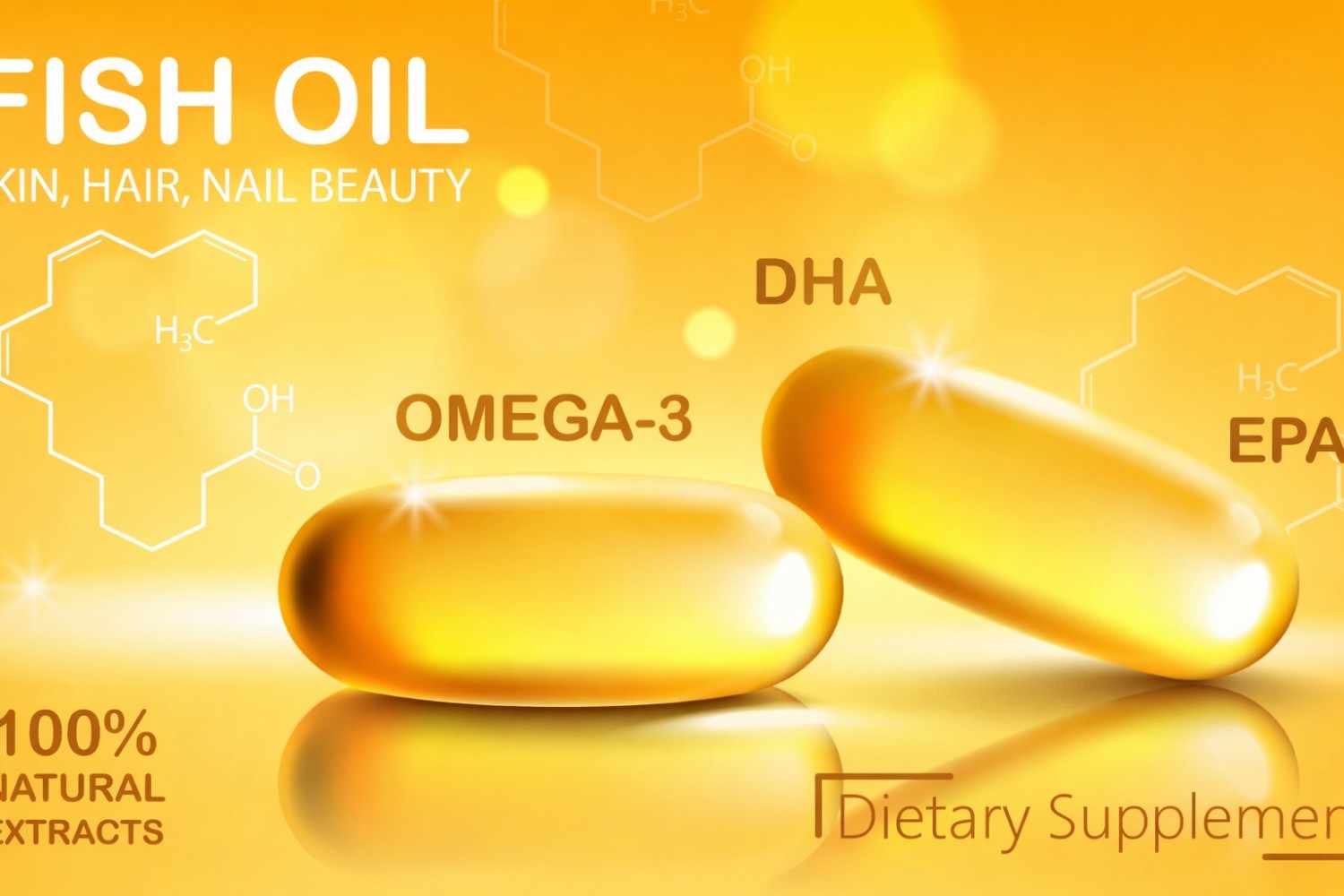
EPA (eicosapentaenoic acid) and DHA (docosahexaenoic acid) are two omega-3 fatty acids that are mainly found in fish oil and fatty fish, including salmon, sardines, and mackerel. These are considered essential fatty acids because the body cannot make enough on its own, and therefore, they have to be obtained from the diet. EPA helps in the prevention and treatment of inflammation, heart health, joint recovery after workouts, and the reduction of triglycerides, while DHA is vital for brain health, memory, concentration, and vision, as it forms the major component of the cells in the brain and the eyes.
Both EPA and DHA play an important role in maintaining health, including the health of the heart, the brain, and the prevention and treatment of inflammation, as well as the health of the skin, hair, and the immune system.
EPA vs DHA – Not All Omega-3 Are Equal
- The study also showed differences between omega-3 types.
- EPA-rich diets reduced tumor size and number when ALOX15 was active.
- DHA-rich diets did not protect mice without ALOX15 and sometimes increased tumors.
- This means not all fish oil supplements are the same, and the body’s enzymes matter.
What This Means for Readers
The lesson is simple
- Health supplements are not one-size-fits-all. Our genes affect how our body reacts to nutrients.Fish oil works for some people but not others. If you are at risk for colon polyps or colon cancer, you should consult your doctor before taking high doses of omega-3 fatty acids.
The Future of This Research
Scientists are now working on medicines that can boost ALOX15 levels in cancer cells. This could help the body use omega-3 fats more effectively and possibly prevent colorectal cancer.
Conclusion:
Fish oil helps in the reduction of the chances of cancer if the body contains the right enzyme, namely ALOX15. If the enzyme is absent, the omega-3 supplements may not be effective and may even cause the cancer to develop faster. So always take supplements wisely and with medical advice.
FAQ
- What is the best time to take fish oil?The best time to take fish oil is with a main meal that contains some fat, usually breakfast or dinner, for better absorption.
- who should avoid taking omega -3?People who should avoid omega-3 or ask a doctor first are those taking blood thinners, people with bleeding problems, fish allergy, before surgery, pregnant women on high doses, and people with heart rhythm problems.
- What are the major side effects of omega-3?Major side effects of omega-3 can include a fishy aftertaste, stomach upset, loose motions, nausea, and at high doses increased bleeding risk or irregular heartbeat.
- What are the signs you need Omega-3?Some of the signs that may indicate the need for an intake of omega-3 include dry skin or hair, tiredness, joint pain, poor memory or concentration, mood swings, and eye dryness.
- Can fish oil lower cholesterol?Fish oil can reduce bad fats called triglycerides, but it usually doesn’t lower bad cholesterol (LDL) and may even raise it a little in some people.
- How long does fish oil take to work?Fish oil can begin to work in 2 to 4 weeks, but the full effect can take 2 to 3 months.
- Can fish oil reduce belly fat?fish oil does not directly burn belly fat; it may even help a little when combined with a healthy diet and exercise.
- What is the main benefit of omega-3?The main advantage of omega-3 fatty acids is that they promote heart health by reducing triglycerides and fighting inflammation.

Health & Wellness Researcher
Nikhil Bhardwaj is a health researcher dedicated to breaking down the latest medical studies into actionable wellness insights. He specializes in the intersection of mental health and physical fitness.
Follow Me