
What is the first symptoms of Nipah virus

Nipah virus (NiV) is a zoonotic virus, which means it spreads between animals and people. It was first identified back in the late 1990s during an outbreak in Malaysia and Singapore among pig farmers. The virus is named after a village in Malaysia called Sungai Nipah where the initial cases emerged.
At present, India is taking fast action to control the outbreak of the Nipah virus in the state of West Bengal after five people tested positive for the disease, including doctors and nurses who contracted the illness while working on the frontlines to treat the sick.
Around 100 people were directed to keep themselves in home quarantine as a precautionary measure. Those who are infected are being treated at hospitals within and outside the city of Kolkata. At least one patient was reported to be in critical condition.
Nipah virus is highly dangerous. At present, there is no vaccine and no specific cure available. The World Health Organization classifies it as a high-risk disease. Health experts say that human infections are rare and usually happen when a person eats fruit that has been bitten or touched by infected bats.
In this blog, we will answer the question “what is the first symptoms of Nipah virus” and explain the early warning signs people should not ignore.
Table of Contents
ToggleSymptoms of Nipah Virus
Nipah virus infection often begins with common symptoms that look like many other illnesses, so it can be hard to notice at first.
Health experts say people usually start to feel sick 4 to 21 days after being exposed to the virus. In rare cases, it can take even longer for symptoms to appear.
At the beginning, most people feel like they have the flu. They may have a fever, headache, body pain, and feel very tired. Some people also develop breathing problems, such as a cough, difficulty breathing, or lung infection (pneumonia). These symptoms can be mild in some people and more serious in others.
The most serious problem caused by the Nipah virus is swelling of the brain, known as encephalitis. When this happens, a person may become confused, very sleepy, behave strangely, have seizures, or fall into a coma. These severe signs often appear a few days to a few weeks after the first flu-like symptoms.
In some people, the virus can also cause meningitis, which is swelling of the thin layers that cover and protect the brain and spinal cord.
How nipah virus spread
Nipah virus can spread through:
- Direct contact with infected animals:
This mostly involves pigs or bats, particularly in regions where people live in close contact with animals.
- Consumption of contaminated food:
Eating contaminated food — for example, raw date palm juice exposed to bat saliva or urine — is a known route of infection in parts of South Asia, especially in Bangladesh and India.
- Human-to-human transmission :
The virus can pass from one person to another through cough droplets or body fluids, especially among family members or healthcare workers.
How to protect from nipah virus ?
If you’re traveling to or living in affected areas, a few simple steps can help protect your life
- Avoid contact with bats and sick animals.
- Don’t consume raw date palm juice or fruits that might be contaminated.
- Practice good hygiene, especially handwashing.
If you’re caring for someone who’s ill, use protective gloves and follow medical guidance.
What is the treatment for Nipah virus ?
There is no specific medicine or vaccine approved to treat Nipah virus infection. Doctors provide supportive care, such as helping patients breathe, controlling fever, and treating complications. Scientists around the world are working to develop treatments and vaccines.
Where is Nipah virus found ?
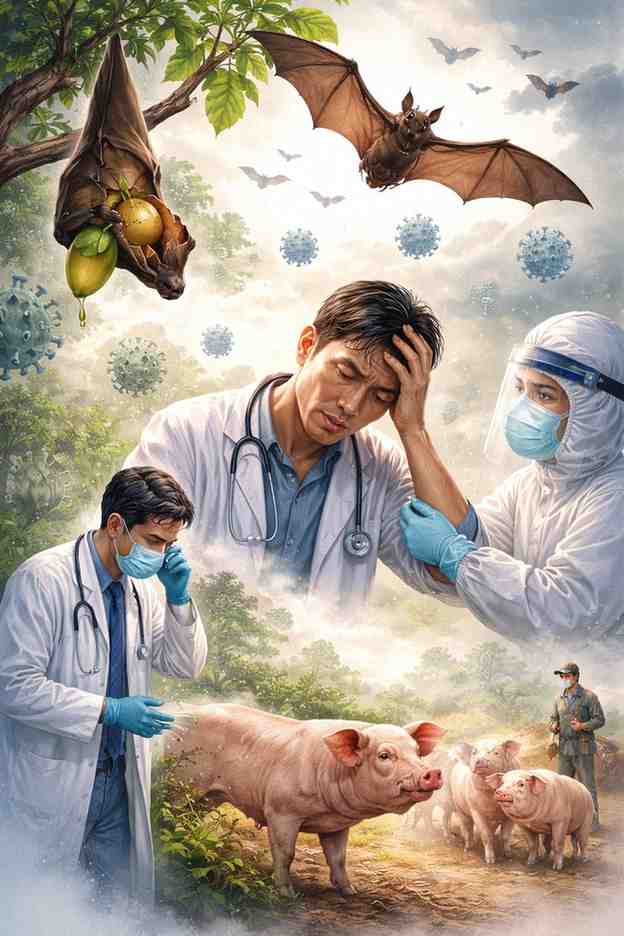
Most Nipah virus outbreaks have happened in South and Southeast Asia, especially in countries like Bangladesh, India, Malaysia, and Singapore. Weather and seasonal changes can affect when the virus spreads from bats to people, especially in places where fruit bats and humans live close to each other.
When should I see a doctor
You should see a doctor immediately if you have symptoms of Nipah virus and may have been exposed.
- High fever.
- Headache.
- Vomiting.
- Muscle pain and extreme weakness.
- confusion or unusual behavior.
Concluion :
Nipah virus is a very rare yet very dangerous disease. This disease is a zoonotic disease, meaning that it can go from animals to humans. Even though cases are not common, the infection can lead to serious health problems such as brain swelling and breathing difficulties. Since there is currently no approved vaccine or specific treatment, awareness, early medical care, and preventive steps remain the best ways to stay safe.

Health & Wellness Researcher
Nikhil Bhardwaj is a health researcher dedicated to breaking down the latest medical studies into actionable wellness insights. He specializes in the intersection of mental health and physical fitness.
Follow Me