A pineapple and ginger smoothie is a healthy tropical drink made with fresh pineapple, ginger root, and milk. It is rich in vitamins, antioxidants, protein, and digestive enzymes that support digestion, help reduce inflammation, and strengthen the immune system. This refreshing smoothie is easy to make at home and is perfect as a quick breakfast, healthy snack, or post-workout drink.
Essential Ingredients for Your Smoothie
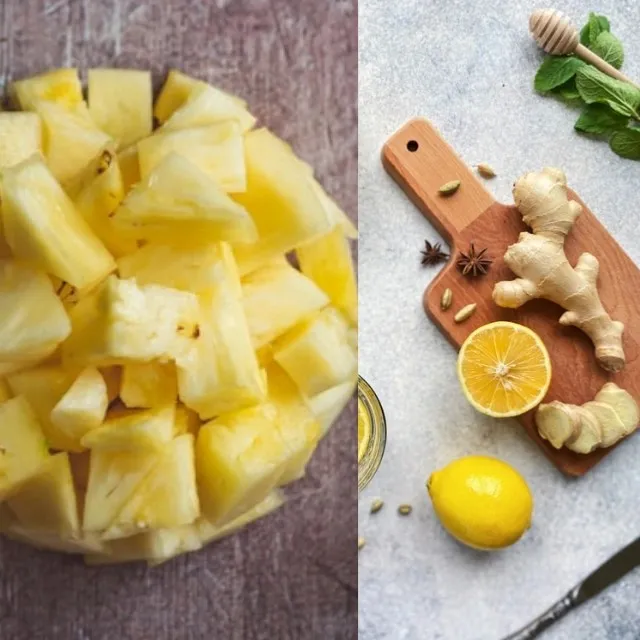
You only need a few simple, fresh items to make this refreshing pineapple and ginger smoothie. Quality ingredients lead to the best flavor and maximum health benefits.
- 1.5 cups fresh pineapple chunks (frozen works too)
- 1-inch piece of fresh ginger root, peeled
- 1/2 banana (fresh or frozen, for creaminess)
- 1/2 cup plain Greek yogurt or coconut yogurt
- 1/2 cup unsweetened almond milk or coconut water
- 1/2 cup ice cubes (skip if using frozen pineapple)
- 1 tsp honey or maple syrup (optional)
- Squeeze of fresh lime juice (optional, brightens flavor)
Fresh ginger root adds a bright and spicy flavor to the smoothie. You can use ground ginger, but the taste will not be as fresh or strong.
How to Make It: Step-by-Step
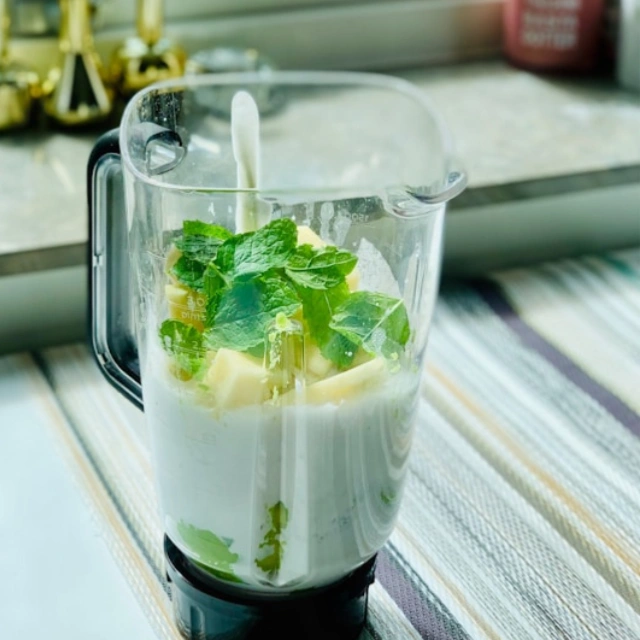
This recipe takes under five minutes from start to finish. Follow these steps for the smoothest texture and best flavor balance.
- Peel and chop the ginger. Remove the skin with a spoon or peeler, then slice into small pieces. Smaller pieces blend more smoothly.
- Add liquid first. Pour the almond milk or coconut water into your blender base. This helps everything blend evenly.
- Layer in soft ingredients. Add the yogurt, banana, and honey if using. These blend faster and protect your blender blades.
- Add pineapple and ginger. Drop in the pineapple chunks and chopped ginger on top.
- Blend on high for 45–60 seconds. Stop and scrape down the sides if needed, then blend again until smooth.
- Add ice last (if using). Blend a few more seconds until the smoothie reaches the thickness you like.
- Taste and adjust. Add lime juice for brightness or more honey for sweetness.
- Pour and serve immediately. Enjoy fresh for the best texture and nutrient retention.
Nutrition Breakdown
Here’s what you get in one standard serving (about 2 to 2½ cups), made with fresh pineapple, fresh ginger, banana, and plain yogurt.
| Nutrient | Amount (Daily Value %) |
|---|---|
| Calories | 190 kcal |
| Protein | 6 g (12% Daily Value) |
| Carbohydrates | 38 g (14% Daily Value) |
| Fiber | 3 g (11% Daily Value) |
| Natural Sugars | 24 g |
| Vitamin C | 65 mg (72% Daily Value) |
| Manganese | 0.9 mg (39% Daily Value) |
| Calcium | 150 mg (12% Daily Value) |
Nutrition values are based on a 2,000-calorie diet. They are only estimates and may vary depending on the brand and portion size.
Pro Tips for the Best Texture and Flavor
A few small tweaks can transform this smoothie from good to great. Try these expert tips.
- Freeze your pineapple chunks ahead of time for a thicker, milkshake-like texture without watering down flavor.
- Start with less ginger When I first blended this, I used too much ginger and it burned my throat. I’ve adjusted the ratios in this recipe to get the perfect spicy-sweet balance.
- Use full-fat yogurt for extra creaminess and a more filling, satisfying drink.
- Add a handful of spinach for extra fiber and nutrients without changing the tropical flavor.
Variations to Try
This smoothie is a great base recipe, and it welcomes swaps easily. Try one of these flavor twists to keep things interesting.
(1). Pineapple Mango Ginger Smoothie
Swap half the pineapple for fresh or frozen mango. You get a sweeter, smoother texture with the same digestive benefits from ginger. Mango also adds vitamin A, which pineapple lacks in meaningful amounts.
(2). Pineapple Banana Ginger Smoothie
Add a full banana instead of half for extra creaminess and natural sweetness. This version also feels more filling, making it a solid breakfast option. The extra banana adds potassium, which supports muscle function and helps balance sodium levels.
(3). Tropical Coconut Style
Replace almond milk with coconut milk and add a tablespoon of shredded coconut. It tastes more tropical and adds healthy fats for lasting energy. The fat content also helps your body absorb fat-soluble nutrients like vitamin A more effectively. Use light coconut milk if you want the flavor without the extra calories.
(4). Pineapple Orange Ginger Smoothie
Blend in the juice of one fresh orange along with the pineapple. This boosts vitamin C even further and adds a citrusy brightness. Two vitamin C sources together may give your immune system extra support during cold and flu season. This combo also tastes closer to a tropical punch than a typical smoothie.
(5). Pineapple with Spinach Smoothie
Add a generous handful of fresh spinach before blending. You won’t taste it over the pineapple, but you’ll add fiber, iron, and extra antioxidants. Spinach also adds volume without many extra calories, which helps if you want a bigger serving. Blend the spinach with the liquid first for the smoothest, most even green color.
(6). Pineapple Turmeric Ginger Smoothie
For an extra health boost, add 1/4 teaspoon of ground turmeric and a small pinch of black pepper to your smoothie. Turmeric contains a natural compound called curcumin, while ginger provides gingerols. Together, they may help support a healthy inflammatory response. The black pepper helps your body absorb curcumin more effectively, making this smoothie even more beneficial.
(7). Pineapple Greek Yogurt Ginger Smoothie
Use a full cup of plain Greek yogurt instead of 1/2 cup. This makes the smoothie thicker, creamier, and higher in protein for lasting fullness. Greek yogurt also adds probiotics, which support a healthy gut alongside bromelain. This version doubles as a light meal rather than just a snack or drink.
(8). Pineapple Protein Ginger Smoothie
Blend in a scoop of vanilla or unflavored whey or plant protein powder. This turns the drink into a proper post-workout recovery shake. Aim for 20–25 grams of added protein to support muscle repair after training. Drink this version within 30–60 minutes after your workout for the best recovery benefit.
(9). Pineapple Mint Ginger Smoothie
Add 5–6 fresh mint leaves before blending. Mint gives the smoothie a fresh, cooling flavor that balances the natural warmth of ginger. It may also help soothe your stomach and support healthy digestion. This refreshing combination is perfect for hot summer days or after a heavy meal. For the best flavor, use fresh mint leaves for a mild and refreshing taste.
(10). Pineapple Cucumber Ginger Smoothie
Replace the banana with half a peeled cucumber for a lighter and more refreshing smoothie. Cucumber is naturally high in water, which helps keep you hydrated, especially on hot days. It also adds a crisp, mild flavor while keeping the smoothie low in calories. Combined with pineapple and ginger, this variation supports hydration, healthy digestion, and makes a perfect midday or post-workout drink.
When to Drink This Smoothie
Timing can affect how this smoothie works for you. Here’s when it fits best into your day.
- Morning: A great light breakfast that’s easy on digestion and won’t leave you sluggish.
- Post-workout: The natural sugars help replenish glycogen, while protein from yogurt supports muscle recovery.
- Drinking a small glass of pineapple and ginger smoothie may help support healthy digestion. Pineapple contains bromelain, a natural enzyme that helps break down protein and may help reduce the feeling of being too full.
Avoid this smoothie right before bed. The natural sugars and ginger’s mild stimulating effect work better earlier in the day.
Who Should Be Cautious With This Smoothie
Most people can enjoy this pineapple and ginger smoothie as part of a healthy diet. However, some people should be careful:
- People with a pineapple allergy: Avoid this smoothie if you are allergic to pineapple or bromelain, the natural enzyme found in pineapple.
- People taking blood-thinning medicines: Ginger and bromelain may increase the risk of bleeding in some people. If you take medicines such as warfarin, aspirin, or clopidogrel, talk to your doctor before drinking this smoothie regularly.
- People with diabetes: Pineapple contains natural sugar. If you have diabetes, watch your portion size and check your blood sugar as advised by your healthcare provider.
- People with acid reflux or a sensitive stomach: Pineapple and ginger may cause discomfort or heartburn in some people. Start with a small serving to see how your body responds.
- Pregnant or breastfeeding women: Small amounts of fresh pineapple and ginger used in food are generally considered safe, but speak with your healthcare provider before making major dietary changes or using large amounts of ginger or bromelain supplements.
Tip: If you have a medical condition or take prescription medicines, ask your doctor or a registered dietitian before adding this smoothie to your daily routine.
- References
- National Center for Complementary and Integrative Health (NCCIH): Bromelain: Usefulness and Safety
- NIH PubMed Central: Research on bromelain and its effects Exploring the Therapeutic Potential of Bromelain
Final Thoughts
This smoothie gives you real digestive support in a drink that actually tastes amazing. It’s quick, affordable, and easy to customize for your goals. The bromelain and gingerols inside aren’t hype. They’re backed by real, ongoing research into gut health and inflammation.
Try this recipe tomorrow morning and notice how your gut feels by midday.
Frequently Asked Questions
- Can I drink pineapple ginger smoothie every day?Yes, in moderate portions (1–2 cups) it's safe for most healthy adults. Watch portion size if you have diabetes or are sensitive to natural sugars, and check the caution section above if you're on blood thinners.
- Is pineapple ginger smoothie good for weight loss?It can support weight loss when it replaces a higher-calorie meal or snack, thanks to fiber, protein, and bromelain aiding digestion — but it's not a fat-burning shortcut. Results depend on overall calorie balance and activity level.
- When is the best time to drink this?The best time is in the morning for breakfast or right after a workout to help your body recover. Try not to drink it right before bed, since the natural sugar in the fruit might give you too much energy to sleep.
- Can I use frozen fruit instead of fresh?Absolutely. Frozen chunks actually make your drink thicker and creamier, almost like a milkshake. You won't even need to add ice, and the frozen fruit still has all the same healthy vitamins as the fresh kind.
- Does ginger in this smoothie actually help digestion?Yes — ginger contains gingerol, which has documented digestive and anti-nausea properties, and pineapple's bromelain enzyme helps break down protein, supporting smoother digestion overall.
- How many calories are in a pineapple ginger smoothie?A standard 2–2½ cup serving made with yogurt and banana has about 190 calories. This varies based on added ingredients like honey, protein powder, or nut milk.
- Is it safe to drink pineapple ginger smoothie at night?It's better earlier in the day. The natural sugars and ginger's mild stimulating effect can interfere with sleep if consumed too close to bedtime.
Nikhil Kumar
Health, Nutrition & Fitness Expert
Nikhil covers health, nutrition, and fitness, with a focus on translating dense wellness research into practical, everyday guidance. He's certified in Nutrition through Coursera, and stays current on emerging studies across nutrition science, healthy eating patterns, fitness, and lifestyle habits. His writing is rooted in evidence, with the goal of helping readers make informed, lasting decisions about their health.
Verify Certification →How to Make a Refreshing Pineapple and Ginger Smoothie

Try this 5-minute Pineapple and Ginger Smoothie recipe! Packed with vitamins, yogurt, and fresh mint to support digestion.
Type: Beverage, Snack, Breakfast
Cuisine: Tropical, Indian
Keywords: pineapple ginger smoothie, smoothie for digestion, anti-inflammatory drink, breakfast smoothie, pineapple spinach smoothie
Recipe Yield: 1 serving (about 12 oz)
Calories: 190 kcal
Preparation Time: PT5M
Cooking Time: PT0M
Total Time: PT5M
Recipe Ingredients:
- 1.5 cups fresh pineapple chunks (or frozen)
- 1-inch piece of fresh ginger root, peeled
- 1/2 banana (fresh or frozen)
- 1/2 cup plain Greek yogurt or coconut yogurt
- 1/2 cup unsweetened almond milk or coconut water
- 1/2 cup ice cubes (optional)
- 1 tsp honey or maple syrup (optional)
- Squeeze of fresh lime juice (optional)
Recipe Instructions:
Preparation and Blending:
- Peel and chop the ginger. Remove the skin with a spoon or peeler, then slice into small pieces. Smaller pieces blend more smoothly.
- Add liquid first. Pour the almond milk or coconut water into your blender base. This helps everything blend evenly.
- Layer in soft ingredients. Add the yogurt, banana, and honey if using. These blend faster and protect your blender blades.
- Add pineapple and ginger. Drop in the pineapple chunks and chopped ginger on top.
- Blend on high for 45–60 seconds. Stop and scrape down the sides if needed, then blend again until smooth.
- Add ice last (if using). Blend a few more seconds until the smoothie reaches the thickness you like.