Whether you’re looking for a quick breakfast or a nutrient-rich beverage to support your day, this vibrant blend delivers. Let’s explore what makes this combination work and how to make it perfectly in your own kitchen.
What Is a Mango Turmeric Smoothie?
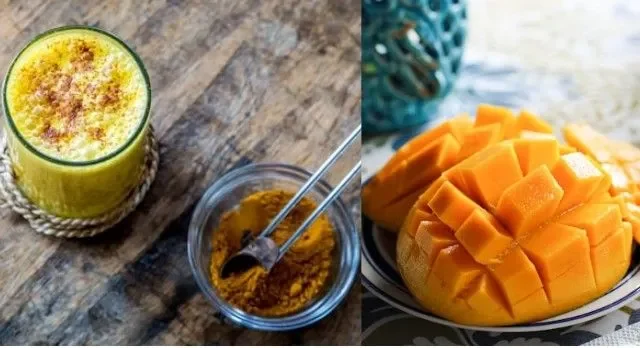
This blended drink combines fresh or frozen mango with turmeric powder or freshly grated root. The combination creates a naturally smooth texture with a warm, slightly earthy flavor that pairs perfectly with the tropical sweetness of the fruit.
This drink has grown popular because it beautifully balances taste with functional nutrition. You get a rich, sweet base while the golden spice adds depth and evidence-based wellness properties. It is simple: you’re essentially mixing a nutrient-dense fruit with a powerful spice to create a drink that is both delicious and functional.
The foundational recipe can be customized endlessly. Some people stick to just these two main components plus a liquid base, while others create more elaborate versions by adding greens or seeds.
Ingredients
- Fresh or Frozen Mango Chunks (1 Cup): The star ingredient that gives the drink its naturally sweet, tropical flavor. It provides vitamin C, antioxidants, and dietary fiber.
- Turmeric Powder (½ tsp or 1 tbsp Fresh Grated Turmeric): Added for its anti-inflammatory properties. It contains curcumin, a bioactive compound that protects cells from oxidative stress.
- Banana (Optional, ½ Banana): Adds natural creaminess and body to the blend while providing potassium to support muscle function.
- Pineapple Chunks (Optional, ¼ Cup): Enhances the tropical tang and introduces bromelain, an enzyme known to support healthy digestion.
- Black Pepper (¼ tsp): Crucial because it contains piperine, which significantly improves the body’s absorption of curcumin.
- Liquid Base (¾ Cup): Unsweetened almond milk keeps it low-calorie, coconut milk adds a rich tropical flavor, while dairy milk provides extra protein and calcium.
- (½ Cup): Greek yogurt adds a protein boost, while coconut yogurt offers a smooth, dairy-free alternative.
- Honey or Maple Syrup (Optional, 1 tbsp): A natural sweetener to balance the earthy flavor of the spice if your fruit isn’t fully ripe.
- Ice Cubes (½ Cup): Creates a frosty, refreshing texture, especially if you are using fresh instead of frozen fruit.
Step-by-Step Instructions
- Prepare the Ingredients: If using fresh turmeric root, peel and finely grate it. Cut the mango and any optional fruits into small pieces.
- Layer the Blender: Add your liquid base (milk) first to help the blades rotate smoothly, followed by the yogurt, mango, banana, and pineapple.
- Add the Spices: Add the turmeric powder and the black pepper directly onto the fruit.
- Blend Until Smooth: Close the blender and blend on high speed for 45 to 60 seconds until the mixture becomes smooth, creamy, and bright yellow.
- Adjust and Serve: Taste the blend. If it is too thick, splash in a little more milk. Pour into a glass, garnish with a pinch of chia seeds if desired, and enjoy fresh.
Preparation Tips for a Mango and Turmeric Smoothie Recipe
- Go Frozen for Texture: Use frozen mango chunks for a thicker, milk-shake-like consistency. If using fresh fruit, don’t skip the ice cubes.
- Never Skip the Black Pepper: While it might seem unusual in a fruit drink, piperine is essential to unlock the health benefits of the golden spice.
- Start Small with Spices: Start with half a teaspoon of the powder and adjust upward. Some prefer a bold, spicy kick, while others enjoy a subtler undertone.
- Fixing Consistency: If the blend is too thick, add your liquid base gradually (2 tablespoons at a time). If it is too thin, toss in a few extra frozen banana pieces or ice cubes and re-blend.
Common Mistakes to Avoid
- Using Hot Liquids: Blending spices with hot liquids can degrade some of its sensitive beneficial compounds. Keep all your ingredients cool or chilled.
- Tossing Spices at the End: Avoid stirring the spice powder in after blending. It will not distribute evenly, leaving you with a grainy, unappealing texture.
- Using Stale Spices: Ground spices lose their potency and bioactive strength over time. Check the expiration date on your jar, or ensure your fresh root is firm and aromatic, not soft.
Best Ingredient Variations
Once you master the basic blend, experimenting with different profiles keeps your routine exciting while maintaining the core nutritional benefits.
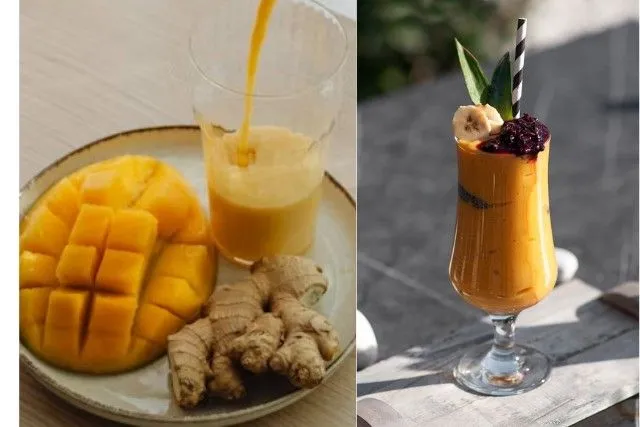
Mango Turmeric Ginger Smoothie
Adding ginger creates the mango turmeric ginger smoothie, sometimes called a ginger turmeric smoothie. Use ¼ to ½ teaspoon of fresh ginger, grated, or ⅛ teaspoon ground ginger. The mango ginger turmeric smoothie develops a spicy, warming quality that some people love.
Adding ginger to a turmeric smoothie creates a brighter and more balanced flavor. Ginger also contains natural compounds such as gingerol, while turmeric contains curcumin. Together, these ingredients are rich in antioxidants and are often included in wellness-focused recipes. Their bold flavors complement each other naturally, creating a smoothie that is both flavorful and nutrient-rich.
Mango Banana Turmeric Smoothie
The banana and turmeric smoothie creates extra creaminess without adding dairy. Use one full banana instead of half. A mango banana turmeric smoothie becomes dessert-like in texture while remaining nutritious. The sweetness balances the turmeric beautifully.
Mango Pineapple Turmeric Smoothie
This combination offers additional vitamin C and a bright, tangy flavor. You can use a little less mango and more pineapple for a stronger tropical taste while still enjoying the smoothie’s health benefits.
Turmeric and Black Pepper Smoothie
This version leaves out most of the fruit and focuses on the natural flavors of turmeric and spices. Mix ½ teaspoon of turmeric powder, a pinch of black pepper, a little honey, and your choice of chilled milk and yogurt. Blend well to make a quick and refreshing wellness drink.
How Much Turmeric Should You Add?
You should add ½ teaspoon of turmeric powder or 1 tablespoon of freshly grated turmeric root per serving to your smoothie. This amount provides the benefits of curcumin without overpowering the natural flavor of the fruits.
If you are new to turmeric, start with ½ teaspoon. You can keep using this amount if it feels right for you. Over time, as you get used to the taste, you can slowly increase it to 1 teaspoon if desired.
Why Add Turmeric to Smoothies?
The primary reason to include this golden spice in your breakfast routine is its active compound called curcumin. Researchers have studied curcumin extensively for its potent antioxidant and anti-inflammatory properties, making it a widely used ingredient in modern functional nutrition.
Curcumin helps protect the body’s cells from oxidative stress caused by environmental factors and normal metabolic processes. Over time, reducing cellular damage supports overall longevity and vitality. Furthermore, it supports the body’s natural inflammatory response, helping manage systemic recovery.
Beyond the science, turmeric pairs well with tropical fruits. The natural sweetness of mango, banana, and pineapple helps balance the strong taste of turmeric, creating a smooth and enjoyable flavor without adding refined sugar. When combined with a pinch of black pepper, your body can absorb curcumin more effectively, adding both nutritional benefits and a bright golden color to the smoothie.
Nutrition and Calories
Note: Estimated values are based on using unsweetened almond milk and ½ cup of low-fat Greek yogurt.
| Nutrient / Component | Amount per Serving |
| Total Calories | 180 – 220 kcal |
| Carbohydrates | 32 g |
| Dietary Fiber | 4.5 g |
| Protein | 6 – 8 g |
| Fat | 2.5 g |
| Vitamin C | 50 mg |
| Potassium | Moderate |
| Active Curcumin | Bio-enhanced via Piperine |
Conclusion
This recipe offers something highly valuable: a genuinely delicious drink that happens to be incredibly good for you. You do not have to force down a medicine-like beverage to get your daily dose of antioxidants.
With versatile variations like ginger, banana, or pineapple, you can easily adapt this golden drink to match your daily taste preferences while keeping your wellness foundation solid.
Frequently Asked Questions
- Can you put turmeric in a smoothie?Yes, absolutely. Turmeric blends well with fruits, yogurt, and milk. It's one of the easier spices to incorporate into smoothies without strange texture or separation issues.
- Is turmeric good in smoothies?Turmeric works well in smoothies both flavor-wise and nutritionally. The warm spice complements tropical fruits naturally. The curcumin content adds nutritional value that many people seek.
- Can I drink a mango turmeric smoothie daily?Yes, this smoothie is safe to consume daily. No special cautions exist for daily turmeric smoothie consumption at normal levels. If you take medications, especially blood thinners, discuss turmeric intake with your doctor since it may interact with certain prescriptions.
- What fruits go best with turmeric?Mango is excellent—its sweetness balances turmeric beautifully. Pineapple, banana, and orange also pair well. Berries work too, though their tartness requires more sweetener to balance the spice.
- Is turmeric powder good for smoothies?Good-quality turmeric powder works perfectly for smoothies. Look for organic, ground turmeric with bright color and strong aroma. Stale turmeric loses effectiveness, so check purchase dates.
- How much turmeric should I add to a smoothie?Start with ½ teaspoon for a single serving. Adjust upward based on taste preference. Most people find ½ to ¾ teaspoon per serving optimal.
Nikhil Kumar
Health, Nutrition & Fitness Expert
Nikhil is a health, nutrition, and fitness enthusiast dedicated to helping people make informed lifestyle choices through practical, evidence-based content. He holds a Nutrition Certification from Coursera and continuously studies nutrition science, healthy eating habits, fitness strategies, and wellness research to stay updated with the latest developments in the field.
Research & References
1. Turmeric Health Benefits Link: https://pubmed.ncbi.nlm.nih.gov/39791174/ Source: National Institutes of Health (NIH) – PubMed Type: Peer-reviewed scientific research Published: January 2025
2. Mango Turmeric Smoothie Recipe Link: https://www.saveur.com/recipes/banana-mango-smoothie-turmeric Source: Saveur Magazine (Food Network) Author: Chef Romy Gill Type: Expert recipe with nutrition guidance
Turmeric and Mango Smoothie Recipe for Natural Wellness
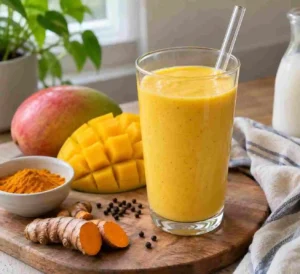
A quick and refreshing mango and turmeric smoothie made with sweet, creamy mango, turmeric, and a pinch of black pepper.
Type: Beverage
Cuisine: American
Keywords: mango and turmeric smoothie recipe, turmeric and mango smoothie, mango smoothie, turmeric smoothie, healthy smoothie, 5-minute smoothie
Recipe Yield: 1 serving
Calories: 180 – 220 kcal
Preparation Time: PT5M
Cooking Time: PT0M
Total Time: PT5M
Recipe Ingredients:
- Fresh or Frozen Mango Chunks
- Turmeric Powder
- Banana (Optional, ½ Banana)
- Pineapple Chunks (Optional, ¼ Cup)
- Black Pepper (¼ tsp)
- Liquid Base (¾ Cup)
- (½ Cup)
- Honey or Maple Syrup (Optional, 1 tbsp)
- Ice Cubes (½ Cup)
4.8